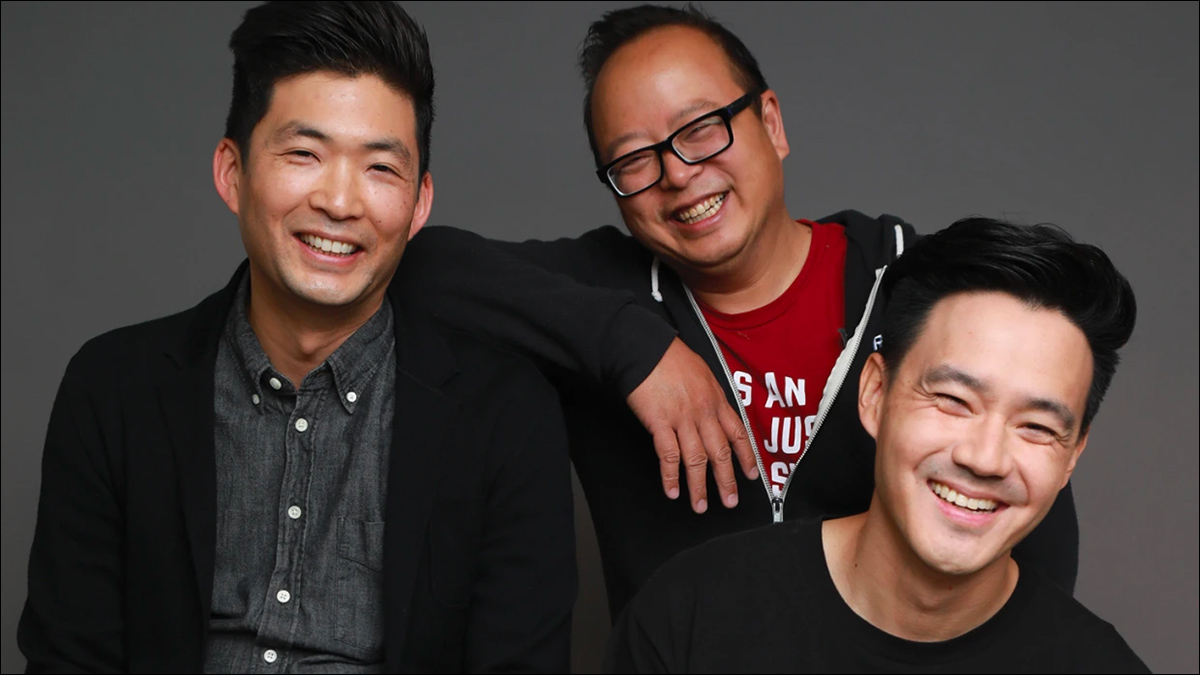
Jeff Yang and Phil Yu present an unfiltered conversation about what's happening in Asian America.
What's up, podcast listeners? We've got another episode of our podcast They Call Us Bruce. (Almost) each week, my good friend, writer/columnist Jeff Yang and I host an unfiltered conversation about what's happening in Asian America, with a strong focus on media, entertainment and popular culture.
In this episode, we welcome Shirley Li (The Atlantic) and Anita Li (The Green Line) to talk about Meilin Lee and Disney/Pixar's animated feature Turning Red. They discuss the incredible specificity of this Chinese Canadian story, what makes a film "relatable" and why it's so meaningful to let your teen girl characters go "AWOOGA!"
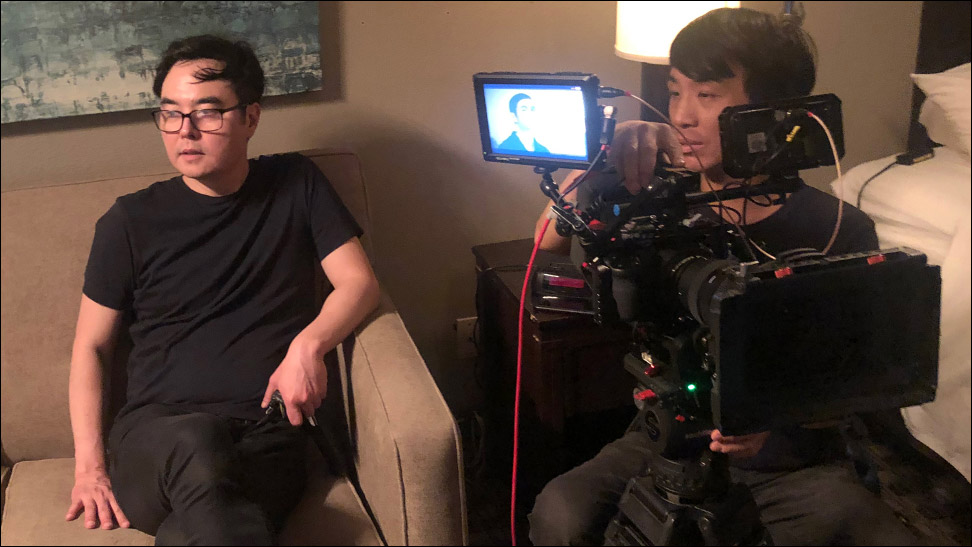
It's September 2021, year two of the Coronavirus pandemic -- and the world premiere of Silent River at Los Angeles Asian Pacific Film Festival (otherwise known as 'VC'). Among many of my friends, I haven't seen the director, Chris Chan Lee, in quite a while. After the film, I avoid the crowd and slip out but send Chris an email asking if he'd like to talk about his latest work via Zoom? I feel pretty sure the conversation will be something to document. Five months later, the film has been gaining critical momentum, earning its recent award at the Paris International Film Festival. Here's an excerpt:
Jae: Okay, so -- when I started getting involved with making my own films and eventually my own art projects, I started to see the processes and the results as self-diagnosis.
Chris Chan Lee: Mm.
Jae: How does that sit with you with regards to Silent River?
CCL: Well, you know, when I sit down to write, I never first think about the thematic content. I just think about, like telling the story, right? But I definitely notice a pattern with everything that I do that's not necessarily intentional: it's always about dealing with past and like regret and stuff like that. So that's always inherent in my work.
What White Men Say in Our Absence
"I wonder if the men who attacked and killed us are the same men on the Internet who argue that we make better wives because we don't talk or fight back and that we make for easy sex because we are, after all, such easy prey."
* * *
Asian American Women Fight Back
At a self-defense class in New York after the latest anti-Asian attack, one student said, "I feel like I have an army of sisters."
Asian Americans Have Always Lived With Fear
"For some, deep down, my ordinary Korean face — small, shallow-set eyes, round nose, high cheekbones, straight dark hair — reminds them of lost wars, prostitutes, spies, refugees, poverty, disease, cheap labor, academic competition, cheaters, sexual competition, oligarchs, toxic parenting, industrialization or a sex or pornography addiction."
"We're just trying to protect you."
A 20-year-old died of a GHB overdose in an older man's home. For two years, his family has called on police to reopen their investigation.
* * *
Michelle Yeoh Finally Loses Her Cool: "What Have I Got to Lose?"
The ballerina who became a beauty queen who became a Hong Kong martial arts star lets loose onscreen and gets the Hollywood top billing she's long deserved in the madcap metaphysical romp 'Everything Everywhere All at Once.'
* * *
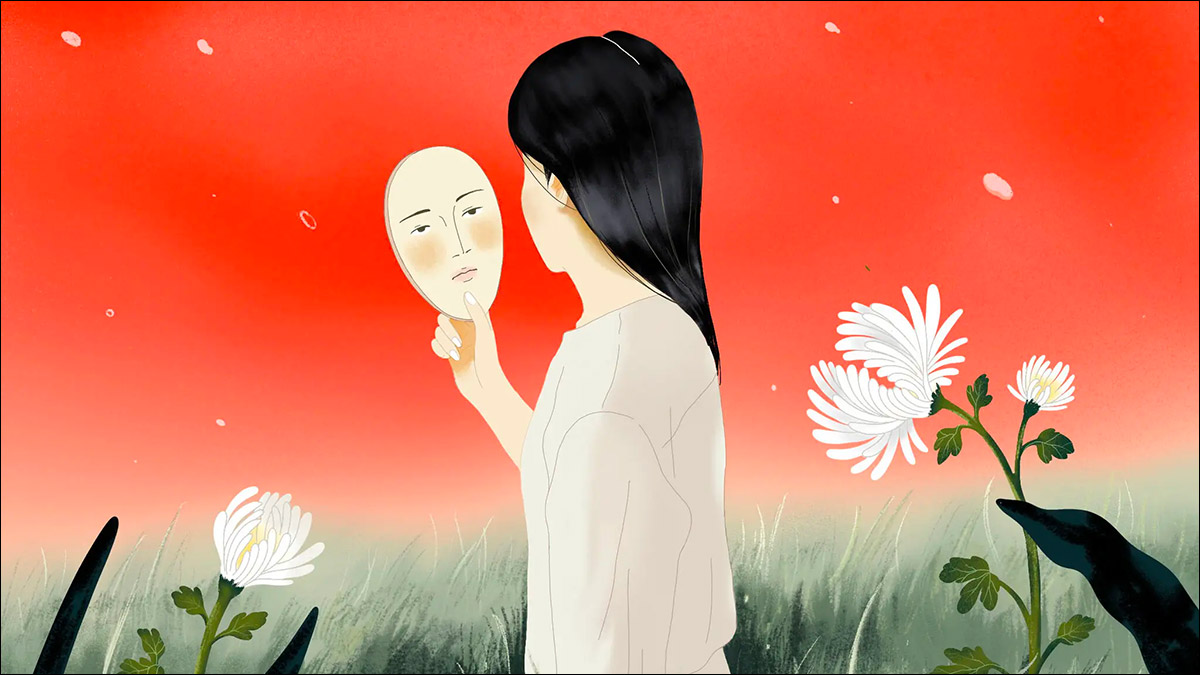
What Turning Red means to me as an AAPI parent
For Clarissa Cruz, eeing a proudly nerdy Chinese Canadian 13-year-old with traditional parents and and supporting friends at the center of a Pixar movie was moving and important.
Jeff Yang and Phil Yu present an unfiltered conversation about what's happening in Asian America.
What's up, podcast listeners? We've got another episode of our podcast They Call Us Bruce. (Almost) each week, my good friend, writer/columnist Jeff Yang and I host an unfiltered conversation about what's happening in Asian America, with a strong focus on media, entertainment and popular culture.
In this episode, we welcome Iris K. Shim, writer/director of the feature film Umma. She talks about working with the one and only Sandra Oh, incorporating traditional Korean cultural elements into a horror story, and whether or not her own umma will watch her movie.
The Podcast In Which We Interview All The Asians On Star Trek.
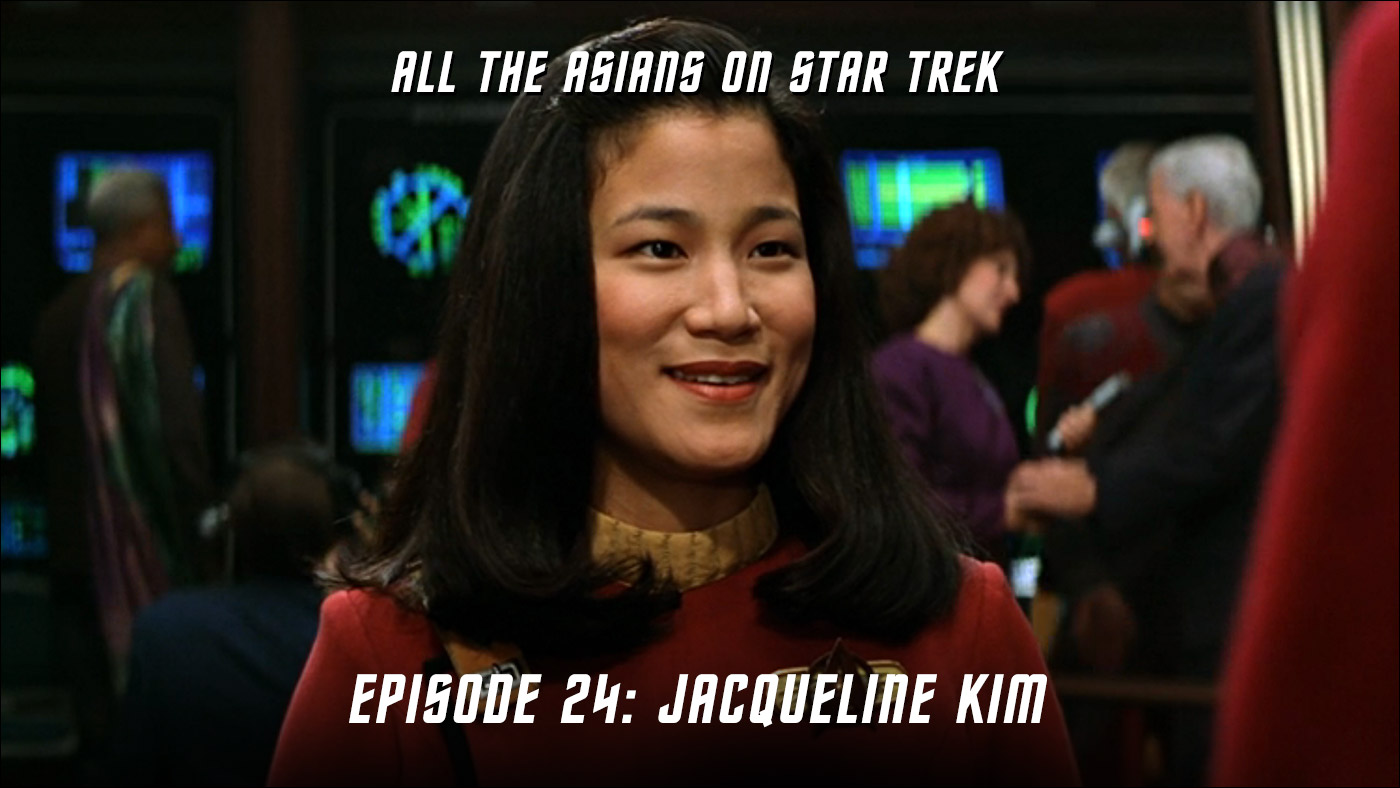
All The Asians On Star Trek is the podcast in which we interview all the Asians on Star Trek. In Episode 24, we welcome actress Jacqueline Kim. She played the role of Ensign Demora Sulu -- daughter of Hikaru Sulu -- in the 1994 feature film Star Trek: Generations. Her other acting credits include Volcano, Disclosure, Xena: Warrior Princess, ER, The West Wing, Charlotte Sometimes and Advantageous, which she also co-wrote and produced. We discuss her brief stint at the helm of the Enterprise-B, her forays into domestic science fiction, and her evolution as a multi-disciplinary artist, including her recent work as a musician and composer.
I'm Done Being Your Model Minority
Author Patricia Park rejects the model minority myth, especially during a rise in anti-Asian hate crimes.
* * *
She's Combating a Wave of Anti-Asian Hate
Cynthia Choi, an activist in San Francisco, anticipated the pandemic would lead to more attacks against Asian Americans and Pacific Islanders. She and others are documenting the surge.
* * *
How Did This Many Deaths Become Normal?
The U.S. is nearing 1 million recorded COVID-19 deaths without the social reckoning that such a tragedy should provoke. Why?
Punk Rock's New Hope: The Ferocious, Joyful Linda Lindas
Fueled by punk conviction (and snacks), this all-girl, school-age band is ready to release its debut album, Growing Up, nearly a year after its song "Racist, Sexist Boy" went viral.
Jeff Yang and Phil Yu present an unfiltered conversation about what's happening in Asian America.
What's up, podcast listeners? We've got another episode of our podcast They Call Us Bruce. (Almost) each week, my good friend, writer/columnist Jeff Yang and I host an unfiltered conversation about what's happening in Asian America, with a strong focus on media, entertainment and popular culture.
In this episode, we welcome Oscar-winning filmmaker Domee Shi, writer/director of the Pixar animated feature Turning Red. They discuss making an unapologetically Asian Canadian story, intergenerational drama, releasing the beast within, and accepting your whole self -- even your whole self is a giant red panda.
Can a Restaurant Become a Second Home?
Years after filmmaker Bao Nguyen left his suburban home for college in New York City, he's begun to search local restaurants for a taste of home.
Patti Harrison Means It (Except When She Doesn't)
The rising star of comedy discusses I Think You Should Leave, corporatized wokeness, A.D.H.D., and humor that swerves between sarcasm and sincerity.
Jeff Yang and Phil Yu present an unfiltered conversation about what's happening in Asian America.
What's up, podcast listeners? We've got another episode of our podcast They Call Us Bruce. (Almost) each week, my good friend, writer/columnist Jeff Yang and I host an unfiltered conversation about what's happening in Asian America, with a strong focus on media, entertainment and popular culture.
In this episode, recorded on the eve of our long-anticipated book release, we welcome co-author Philip Wang and project manager Jes Vu, our co-conspirators on RISE: A Pop History of Asian America From the Nineties to Now. We discuss some exclusive behind-the-scenes details on the making of the book, including The Good, The Bad and The WTF.
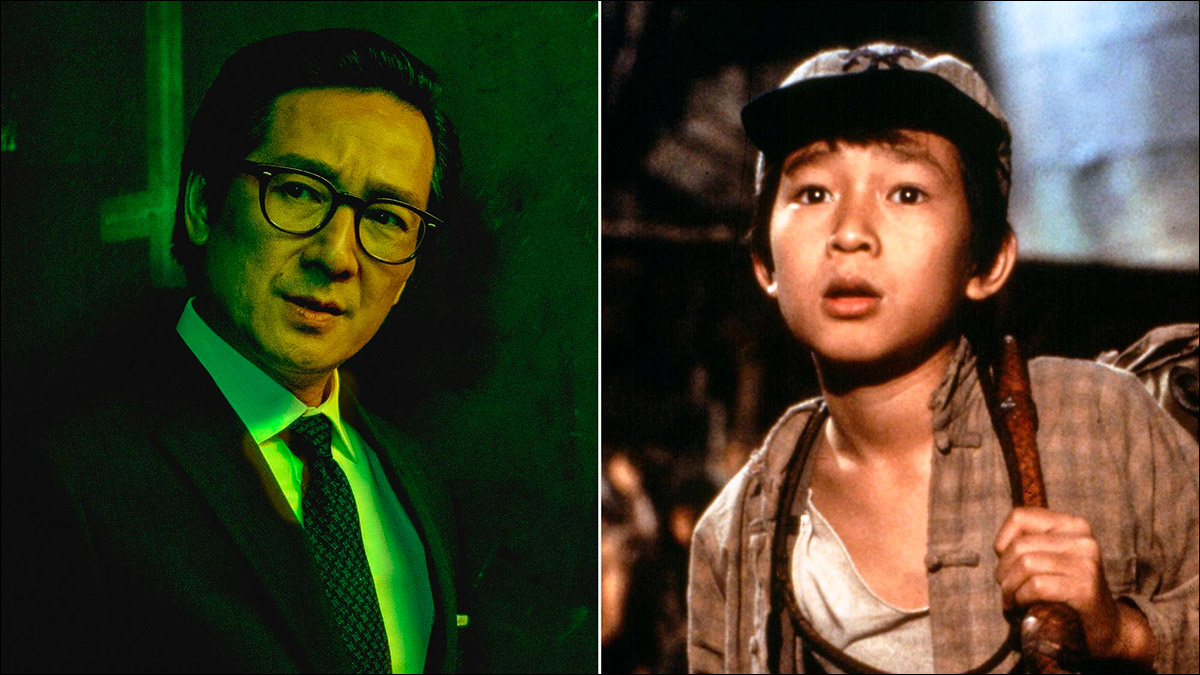
Whatever happened to Short Round? Ke Huy Quan returns to the big screen
Ke Huy Quan was of the '80s' most recognizable child stars thanks to his roles as Short Round in Indiana Jones and the Temple of Doom and Data in The Goonies. So why did he quit acting? And what lured him back in front of the camera after 35 years away?
Stephanie Foo on Gaining Agency From C-PTSD
Stephanie Foo's memoir, What My Bones Know, details her painful experiences with childhood abuse, and the long, indirect path she took to healing as an adult.
J. Kenji López-Alt Says You’re Cooking Just Fine
Ahead of the release of his new book, The Wok, food columnist J. Kenji López-Alt reflects on kitchen-bro culture, who gets credit for recipes, and how not to be an asshole.
Friday, March 4 at the Japanese American National Museum
If you're in Los Angeles, I invite you to help us celebrate the publication of RISE: A Pop History of Asian America From the Nineties to Now, the book I wrote with Jeff Yang and Philip Wang. It's been a long road getting this book to the finish line, but at long last, you can hold it in your grubby hands and read the dang thing.
RISE Is a love letter to our community, chronicling the ups and downs, struggles and triumphs, personalitis and ideas that have shaped who we our today. Through intimiate recollections, exclusive interviews, graphic essays, annotated illustrations and more -- thanks, in part, to an amazing squad of contributors -- we assembled a chronicle of the last three decades of Asian America that we hope will inspire delight, nostalgia and exploration.
Please join us Friday, March 4 at the Japanese American National Museum for a book talk, signing and reception with me, Jeff, Philip and a bunch of a amazing folks who made this book possible.
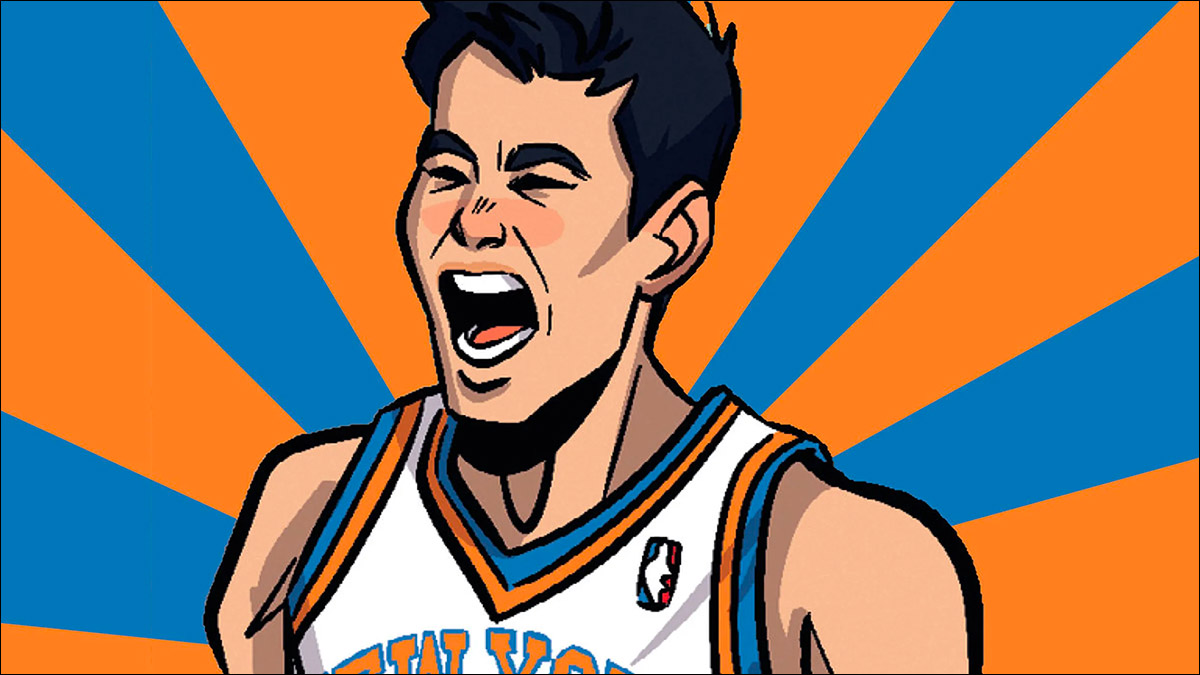
Remembering Linsanity
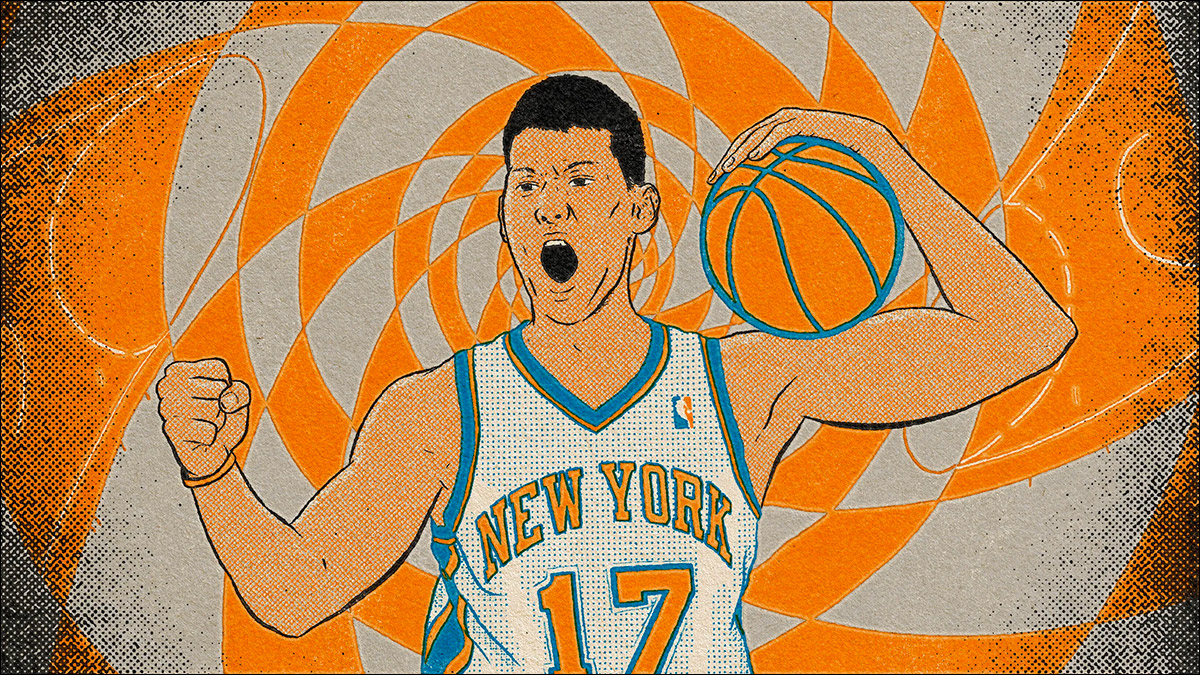
In an exclusive, illustrated excerpt from our upcoming book RISE: A Pop History of Asian America From the Nineties to Now, Jeremy Lin remembers his road to the NBA and reflects on where "Linsanity" led.
* * *
My Family Lost Our Farm During Japanese Incarceration. I Went Searching for What Remains.
"Japanese Americans who were forced off their land lost property worth an estimated $3.7 billion in today’s dollars, and $7.7 billion worth of income... But not all losses are quantifiable, even in estimates. How can we count the communities dispersed, the culture disappeared? In the 80 years since, there’s been another loss: the memories of survivors of this forced removal."
Why Chinese Americans Are Talking About Eileen Gu
The critical crossfire Ms. Gu has faced has implications that go far beyond the Olympic slopes, Chinese Americans say. And some see themselves in the duality she has embraced.
* * *
Eileen Gu, the Olympics and who gets to be American
"It seems we can’t let an Olympics pass without wondering whether an Asian American athlete is truly American. Every four years, the Olympic team gets more diverse, and every four years, the American media fumbles for the words to describe them."
What Min Jin Lee Wants Us to See
Min Jin Lee, author of Pachinko and Free Food for Millionaires, discusses her research process, her memories of arriving in America, and why she reads the Bible before writing.
Jeff Yang and Phil Yu present an unfiltered conversation about what's happening in Asian America.
What's up, podcast listeners? We've got another episode of our podcast They Call Us Bruce. (Almost) each week, my good friend, writer/columnist Jeff Yang and I host an unfiltered conversation about what's happening in Asian America, with a strong focus on media, entertainment and popular culture.
In this episode, we round up The Good, The Bad and The WTF of the week, including Ali Wong's latest standup special, Asian American excellence at the Winter Olympics, anti-Asian violence, Wrong Asians, and taking off your damn shoes inside the house.
Honestly, with everything going on these days, I almost forgot. But on this day in 2001, I started this website. I hit the upload button on the very first rickety-ass HTML iteration of what I would eventually learn was called a blog. I've been doing this damn thing for 21 years. Angry Asian Man is allowed in the bar.
Every year I write this post, I am more bewildered about this journey and how I got here. I know I say this pretty regularly, but when I started this blog, I had no idea I was starting something. And certainly not the "something" that would go on to define my personal and professional identity for the next two decades and beyond.
Other things have become clearer. Raising the issues, fighting for visibility and engaging in hard conversations about our Asian American identities and communities are not more relevant and vital right now -- they've always been relevant and vital. I'm tired, and I'm twenty-one years older, but my work is not done. Our work's not done.
That said, I have to acknowledge that, in terms of output, I'm not the blogger I once was. My attention, time and resources have been diverted in a lot of different directions that pull me away from posting here -- fun stuff, like podcasts and writing a book, but also general adult life concerns like the safety and well-being of loved ones, paying the billz, my own mental health, and the goddamn COVID-19.
Truthfully, there are just days that I feel overloaded and paralyzed.
But other thing I know for sure after twenty-one years, none of this would be possible without my community. The hands-down best thing about this whole endeavor are the people that it has put in my path. The partners, the collaborators, the challengers, the teachers, the listeners, the readers. On the most difficult days, you've had my back, and in our most joyous moments, the celebrations are sweeter because we got there together.
Thank you being on this journey with me. Twenty-one years. I'll take that drink.
The Asian American Pipeline in Figure Skating
For the second consecutive Winter Games, four of the six figure skaters who arrived to represent the United States in the singles events were Asian American. The chain of success stretches back for years and has only strengthened as more have poured into the sport and become Olympic stars.
Jeff Yang and Phil Yu present an unfiltered conversation about what's happening in Asian America.
What's up, podcast listeners? We've got another episode of our podcast They Call Us Bruce. (Almost) each week, my good friend, writer/columnist Jeff Yang and I host an unfiltered conversation about what's happening in Asian America, with a strong focus on media, entertainment and popular culture.
In this episode, we welcome the one and only Dante Basco. He talks about his directorial debut The Fabulous Filipino Brothers, making a movie with his family -- his entire family -- growing up in Hollywood, and being perpetually linked to iconic characters, including Prince Zuko and, of course, RUFIO.
The Legacy of Linsanity, 10 Years Later
A decade after Jeremy Lin's NBA breakout, Lin and some of the people who observed his sudden ascent reflect on the excitement and lasting cultural significance of his heroics for the Knicks in February 2012.
The Anxiety of Exclamation Points
For Lan Samantha Chang, exclamation points are part of a decades-long project to be as truthful as possible to her lived experience as a child of immigrants.
Jeff Yang and Phil Yu present an unfiltered conversation about what's happening in Asian America.
What's up, podcast listeners? We've got another episode of our podcast They Call Us Bruce. (Almost) each week, my good friend, writer/columnist Jeff Yang and I host an unfiltered conversation about what's happening in Asian America, with a strong focus on media, entertainment and popular culture.
My Young Mind Was Disturbed by a Book. It Changed My Life.
"If we oppose banning some books, we should oppose banning any book. If our society isn’t strong enough to withstand the weight of difficult or challenging — and even hateful or problematic — ideas, then something must be fixed in our society. Banning books is a shortcut that sends us to the wrong destination."